Fast Fashion Exposed: 7 Facts Most Shoppers Don't Know
You scroll online, find a great sale, and soon a new package arrives. That quick joy from a new outfit, perhaps as comforting as a warm cup of tea, often hides a deeper reality. Beneath this easy affordability and instant satisfaction, the fashion industry has serious, unseen problems. Have you ever really thought about where your clothes come from or what their true cost is? It's time to pull back the curtain and see the hidden facts about what you buy.
1. That "New Clothes Smell" Can Be a Warning
That "new clothes" scent often comes from chemicals like formaldehyde, phthalates, azo dyes, and heavy metals, used to treat fabrics, set colors, and add wrinkle or stain resistance. Direct skin contact may cause irritation, allergies, or breathing issues—especially for sensitive individuals—while factory workers face even greater long-term health risks due to prolonged exposure.
These chemicals can also pollute water during production and washing. To reduce risks, wash new clothes before wearing them and choose brands that are transparent about chemical use and committed to safer production practices.
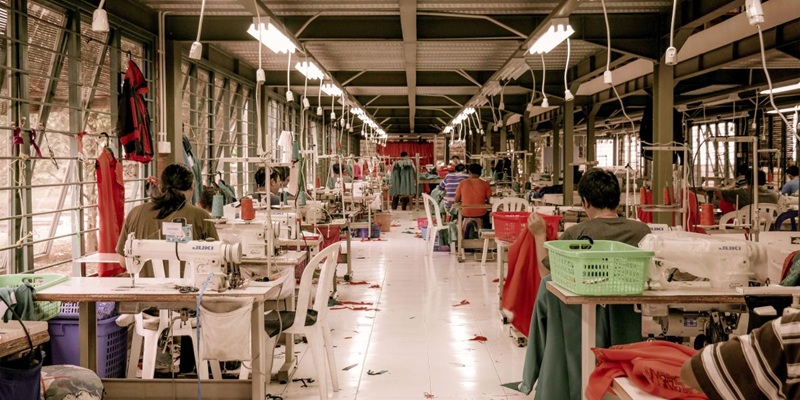
2. Garment Workers: The Human Price Of Low Cost Fashion
Fast fashion's low prices often rely on the exploitation of garment workers. Many are paid per piece, resulting in long hours at very low wages in unsafe conditions with poor ventilation and structural risks. Disasters like the Rana Plaza collapse highlight these dangers. In countries such as Bangladesh and Vietnam, wages often fall far below a living standard, keeping workers in poverty.
Limited rights—such as fair pay, safe workplaces, and the ability to form unions—add to the physical and mental toll. Complex supply chains also allow brands to avoid accountability. As consumers, we can push for transparency and support brands that hold certifications like Fair Trade, which promote fair wages, safe working conditions, and basic worker rights.
3. The Illusion Of Recycling: Most Fast Fashion Becomes Waste
Donating clothes or using recycling bins may feel responsible, but it often creates a false sense of impact. Most fast-fashion items use mixed fibers, such as polyester blends, making true recycling difficult and costly. In reality, less than 1% of textile waste is turned back into new clothing.
So where does the rest go? Much is downcycled into low-value products or shipped to developing countries, where it adds to growing landfill problems. The issue is not solved; it is shifting elsewhere.
What can you do instead? Focus on buying fewer, higher-quality pieces, repair what you own, and choose verified take-back programs that truly recycle materials. Small changes like these make a real difference.
4. Fast Fashion's Hidden Carbon Trail: Beyond The Factory Gates
Fast fashion's carbon footprint goes far beyond textile waste.
From resource-intensive raw materials like cotton to energy-heavy synthetic fibers and dyeing processes, emissions build up quickly. A major but often overlooked source is global shipping, especially air freight, used to keep up with fast-changing trends, along with returns and store distribution.
Overall, the industry produces 8–10% of global greenhouse gas emissions, exceeding international flights and shipping combined.
Reducing this impact means rethinking how we buy: choose local brands, support transparent production, and favor companies with real carbon-reduction goals.
5. The Psychology Of Fast Fashion: Breaking The Cycle Of Dissatisfaction
Fast fashion feeds on FOMO, driven by social media and constant new trends, pushing us into endless buying that affects both wellbeing and the planet.
The Dopamine Trap
New purchases bring a short-lived dopamine boost. With frequent "micro-seasons," brands keep your wardrobe feeling outdated, encouraging repeated buying.
How to Break the Cycle
Focus on owning better, not more:
Capsule wardrobe: Stick to a simple color palette; each piece should match multiple outfits.
30-wear test: If you won't wear it often, don't buy it.
72-hour rule: Wait before purchasing to avoid impulse buys.
Use what you own: Restyle clothes and try new combinations.
Repair basics: Small fixes extend the life of clothing.
Reduce triggers: Unfollow "new arrivals" and marketing emails.
Real satisfaction comes from a personal style that feels authentic and lasting—not constant consumption.
6. Water Crisis: Thirsty Fabrics, Polluted Rivers
Fast fashion places huge pressure on water resources. A single cotton T-shirt can use about 2,700 liters of water, and a pair of jeans can use up to 10,000 (Source: World Wildlife Fund [5]). This demand spans from the production of raw materials to dyeing and finishing processes.
Worse, factories often discharge untreated wastewater filled with dyes, heavy metals, and microplastics into rivers, harming ecosystems and nearby communities. In places like Indonesia's Citarum River, this leads to polluted drinking water, damaged fisheries, and health risks.
To reduce your impact, choose brands that use water-saving technologies, closed-loop systems, and lower-impact or recycled materials.
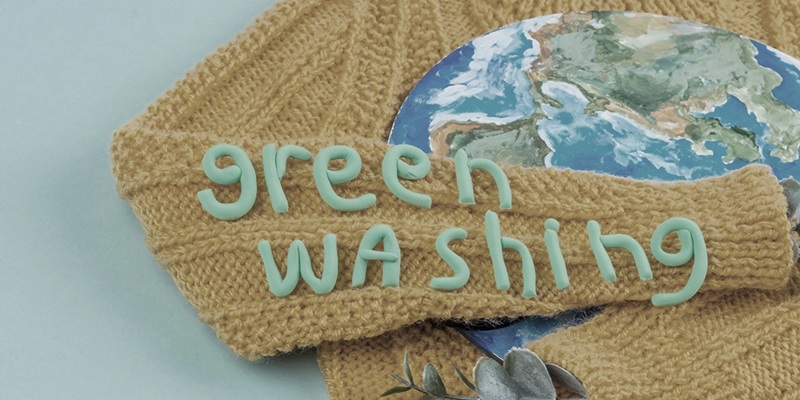
7. Greenwashing: The "Eco-Friendly" Illusion
Many fast-fashion brands use greenwashing—vague or misleading claims—to appear sustainable without real change.
Common Red Flags
Vague terms: Words like "eco-friendly" or "natural" with no proof
Halo effect: A small "green" collection hides overall unsustainable production
Hidden trade-offs: "Recycled" items mixed with non-recyclable fibers
Irrelevant claims: Eco packaging but harmful materials
How to Verify Claims
Check certifications: GOTS, OEKO-TEX, Fair Trade, B Corp
Read materials: Prefer Tencel, hemp, linen, organic cotton, recycled wool; avoid virgin synthetics
Use tools: Platforms like Good On You rate brand impact
If a claim feels too vague or too good for the price, it likely is. Real sustainability is transparent, not just marketing.
Towards More Mindful Fashion Choices
Fast fashion's hidden costs, from chemicals and worker exploitation to waste, emissions, and greenwashing, paint a clear picture. The path forward is simple: make more mindful choices.
As consumers, our decisions matter. Choose quality over quantity, durability over trends, and ethical production over convenience. Every informed purchase helps drive a more responsible industry and a better future for people and the planet.
References
Related Posts
Tired of Sweaty, Uncomfortable Undies? Try These 12 Organic Cotton Picks

The Benefits Of Sustainable Sportswear: Comfort, Performance, And Sustainability
12 Clothing Brands That Are Not Fast Fashion (Built To Last)

Microplastics: How Your Clothes Contribute And How To Reduce It
How to Build a 12-Piece Capsule Wardrobe That Lasts Over 10 Years